Community Healthcare Donation
41. How Businesses Can Support Community Healthcare Topic: Community Health Introduction Understanding community health is something many donors, healthcare businesses, and community organizations look into as they search for practical ways to support healthcare access. Within the broader area of community healthcare, community health plays a specific and often underappreciated role in everyday community healthcare. Whether you’re an individual looking to contribute, a business planning a CSR initiative, or an organization coordinating a donation drive, understanding how community health fits into responsible healthcare support helps ensure your contribution creates genuine, lasting value. This article covers what you need to know about community health — from why it matters to how to approach it thoughtfully, and which SkyMedIdent products are typically relevant. What Is It? In the context of community healthcare, community health refers to the products, planning, and practices involved in ensuring medical supplies reach the individuals, clinics, or programs that need them. It covers not just the physical items involved but also the considerations — need assessment, condition, documentation, and follow-through — that determine whether a donation or initiative actually achieves its intended impact. Why Does It Matter? Getting community health right matters because healthcare outcomes depend on more than good intentions — they depend on the right resources reaching the right place, in usable condition, at the right time. When medical supplies are thoughtfully sourced, selected, and delivered, they can meaningfully expand what a clinic, camp, or care program is able to offer. When this process is rushed or poorly matched to actual need, the same effort can result in wasted resources or supplies that never get used. Who Can Benefit? Local clinics, community health workers, and residents of underserved or rural areas benefit when businesses and individuals direct thoughtful support toward local healthcare access. What Products Are Useful? Commonly relevant items in this area include medical supplies. The specific mix that makes sense depends on the recipient’s setting, patient volume, and existing supplies — a quick conversation with the recipient organization is the most reliable way to confirm what’s actually needed before finalizing a donation or purchase. How to Plan/Donate Responsibly Start by identifying the actual need — speak with the recipient clinic, program coordinator, or community partner about what they currently have, what’s missing, and what would be most useful given their patient volume and setting. Confirm any relevant condition, packaging, or documentation requirements before donating or distributing medical supplies, and agree on delivery timing that works for the recipient’s schedule. Keep a simple record of what was provided, to whom, and when, particularly if the contribution is part of a larger CSR or organizational program. Quality & Safety Considerations Quality and safety considerations apply throughout community health — check that medical supplies are within any relevant expiry or condition standards, sourced from a reliable supplier, and appropriate for the setting they’ll be used in. Avoid substituting items based on convenience alone; if a recipient has specified a particular type or specification, sourcing exactly what was requested helps avoid supplies that end up unused. Frequently Asked Questions Q: What’s the best way to get started with community health? A: Begin by speaking directly with the intended recipient organization about their current needs, rather than assuming what would be most useful. This single step does more to ensure genuine impact than any other part of the process. Q: Are there specific standards to follow for medical supplies? A: Standards vary by product type and recipient, so it’s worth confirming any specific requirements — such as condition, packaging, or documentation — directly with the organization you’re supporting. Q: Can individuals contribute to community health, or is this mainly for organizations? A: Both individuals and organizations can contribute meaningfully. The right scale and approach depends on your resources and the specific need you’re supporting. SkyMedIdent Product Recommendations For this topic, commonly relevant SkyMedIdent product categories include medical supplies. Availability and specifications should be confirmed directly, and recipient needs should always guide the final selection. → Explore Healthcare Products Disclaimer This article is intended for general informational and educational purposes only and does not constitute medical, legal, or tax advice. Regulations governing the donation of medical products, including safety standards, biomedical waste rules, import/export requirements, and CSR or tax provisions, vary by state and country and change over time. Before donating, receiving, or facilitating a donation, please verify current regulatory requirements with a qualified professional or the relevant authority, and consult the recipient organization’s own acceptance policy. SkyMedIdent provides this information as a resource and does not guarantee its completeness or applicability to your specific situation. 42. Improving Access to Essential Healthcare Supplies Topic: Healthcare Access Introduction Understanding healthcare access is something many donors, healthcare businesses, and community organizations look into as they search for practical ways to support healthcare access. Within the broader area of community healthcare, healthcare access plays a specific and often underappreciated role in everyday community healthcare. Whether you’re an individual looking to contribute, a business planning a CSR initiative, or an organization coordinating a donation drive, understanding how healthcare access fits into responsible healthcare support helps ensure your contribution creates genuine, lasting value. This article covers what you need to know about healthcare access — from why it matters to how to approach it thoughtfully, and which SkyMedIdent products are typically relevant. What Is It? In the context of community healthcare, healthcare access refers to the products, planning, and practices involved in ensuring medical consumables reach the individuals, clinics, or programs that need them. It covers not just the physical items involved but also the considerations — need assessment, condition, documentation, and follow-through — that determine whether a donation or initiative actually achieves its intended impact. Why Does It Matter? Getting healthcare access right matters because healthcare outcomes depend on more than good intentions — they depend on the right resources reaching the right place, in usable condition, at the right time. When medical consumables are thoughtfully sourced, selected, and delivered, they can meaningfully
Donate Now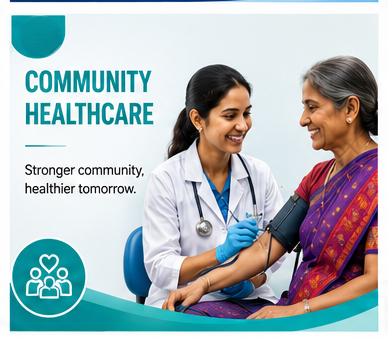
Campaign Story
41. How Businesses Can Support Community Healthcare
Topic: Community Health
Introduction
Understanding community health is something many donors, healthcare businesses, and community organizations look into as they search for practical ways to support healthcare access. Within the broader area of community healthcare, community health plays a specific and often underappreciated role in everyday community healthcare. Whether you’re an individual looking to contribute, a business planning a CSR initiative, or an organization coordinating a donation drive, understanding how community health fits into responsible healthcare support helps ensure your contribution creates genuine, lasting value. This article covers what you need to know about community health — from why it matters to how to approach it thoughtfully, and which SkyMedIdent products are typically relevant.
What Is It?
In the context of community healthcare, community health refers to the products, planning, and practices involved in ensuring medical supplies reach the individuals, clinics, or programs that need them. It covers not just the physical items involved but also the considerations — need assessment, condition, documentation, and follow-through — that determine whether a donation or initiative actually achieves its intended impact.
Why Does It Matter?
Getting community health right matters because healthcare outcomes depend on more than good intentions — they depend on the right resources reaching the right place, in usable condition, at the right time. When medical supplies are thoughtfully sourced, selected, and delivered, they can meaningfully expand what a clinic, camp, or care program is able to offer. When this process is rushed or poorly matched to actual need, the same effort can result in wasted resources or supplies that never get used.
Who Can Benefit?
Local clinics, community health workers, and residents of underserved or rural areas benefit when businesses and individuals direct thoughtful support toward local healthcare access.
What Products Are Useful?
Commonly relevant items in this area include medical supplies. The specific mix that makes sense depends on the recipient’s setting, patient volume, and existing supplies — a quick conversation with the recipient organization is the most reliable way to confirm what’s actually needed before finalizing a donation or purchase.
How to Plan/Donate Responsibly
Start by identifying the actual need — speak with the recipient clinic, program coordinator, or community partner about what they currently have, what’s missing, and what would be most useful given their patient volume and setting. Confirm any relevant condition, packaging, or documentation requirements before donating or distributing medical supplies, and agree on delivery timing that works for the recipient’s schedule. Keep a simple record of what was provided, to whom, and when, particularly if the contribution is part of a larger CSR or organizational program.
Quality & Safety Considerations
Quality and safety considerations apply throughout community health — check that medical supplies are within any relevant expiry or condition standards, sourced from a reliable supplier, and appropriate for the setting they’ll be used in. Avoid substituting items based on convenience alone; if a recipient has specified a particular type or specification, sourcing exactly what was requested helps avoid supplies that end up unused.
Frequently Asked Questions
Q: What’s the best way to get started with community health?
A: Begin by speaking directly with the intended recipient organization about their current needs, rather than assuming what would be most useful. This single step does more to ensure genuine impact than any other part of the process.
Q: Are there specific standards to follow for medical supplies?
A: Standards vary by product type and recipient, so it’s worth confirming any specific requirements — such as condition, packaging, or documentation — directly with the organization you’re supporting.
Q: Can individuals contribute to community health, or is this mainly for organizations?
A: Both individuals and organizations can contribute meaningfully. The right scale and approach depends on your resources and the specific need you’re supporting.
SkyMedIdent Product Recommendations
For this topic, commonly relevant SkyMedIdent product categories include medical supplies. Availability and specifications should be confirmed directly, and recipient needs should always guide the final selection.
→ Explore Healthcare Products
Disclaimer
This article is intended for general informational and educational purposes only and does not constitute medical, legal, or tax advice. Regulations governing the donation of medical products, including safety standards, biomedical waste rules, import/export requirements, and CSR or tax provisions, vary by state and country and change over time. Before donating, receiving, or facilitating a donation, please verify current regulatory requirements with a qualified professional or the relevant authority, and consult the recipient organization’s own acceptance policy. SkyMedIdent provides this information as a resource and does not guarantee its completeness or applicability to your specific situation.
42. Improving Access to Essential Healthcare Supplies
Topic: Healthcare Access
Introduction
Understanding healthcare access is something many donors, healthcare businesses, and community organizations look into as they search for practical ways to support healthcare access. Within the broader area of community healthcare, healthcare access plays a specific and often underappreciated role in everyday community healthcare. Whether you’re an individual looking to contribute, a business planning a CSR initiative, or an organization coordinating a donation drive, understanding how healthcare access fits into responsible healthcare support helps ensure your contribution creates genuine, lasting value. This article covers what you need to know about healthcare access — from why it matters to how to approach it thoughtfully, and which SkyMedIdent products are typically relevant.
What Is It?
In the context of community healthcare, healthcare access refers to the products, planning, and practices involved in ensuring medical consumables reach the individuals, clinics, or programs that need them. It covers not just the physical items involved but also the considerations — need assessment, condition, documentation, and follow-through — that determine whether a donation or initiative actually achieves its intended impact.
Why Does It Matter?
Getting healthcare access right matters because healthcare outcomes depend on more than good intentions — they depend on the right resources reaching the right place, in usable condition, at the right time. When medical consumables are thoughtfully sourced, selected, and delivered, they can meaningfully expand what a clinic, camp, or care program is able to offer. When this process is rushed or poorly matched to actual need, the same effort can result in wasted resources or supplies that never get used.
Who Can Benefit?
Local clinics, community health workers, and residents of underserved or rural areas benefit when businesses and individuals direct thoughtful support toward local healthcare access.
What Products Are Useful?
Commonly relevant items in this area include medical consumables. The specific mix that makes sense depends on the recipient’s setting, patient volume, and existing supplies — a quick conversation with the recipient organization is the most reliable way to confirm what’s actually needed before finalizing a donation or purchase.
How to Plan/Donate Responsibly
Start by identifying the actual need — speak with the recipient clinic, program coordinator, or community partner about what they currently have, what’s missing, and what would be most useful given their patient volume and setting. Confirm any relevant condition, packaging, or documentation requirements before donating or distributing medical consumables, and agree on delivery timing that works for the recipient’s schedule. Keep a simple record of what was provided, to whom, and when, particularly if the contribution is part of a larger CSR or organizational program.
Quality & Safety Considerations
Quality and safety considerations apply throughout healthcare access — check that medical consumables are within any relevant expiry or condition standards, sourced from a reliable supplier, and appropriate for the setting they’ll be used in. Avoid substituting items based on convenience alone; if a recipient has specified a particular type or specification, sourcing exactly what was requested helps avoid supplies that end up unused.
Frequently Asked Questions
Q: What’s the best way to get started with healthcare access?
A: Begin by speaking directly with the intended recipient organization about their current needs, rather than assuming what would be most useful. This single step does more to ensure genuine impact than any other part of the process.
Q: Are there specific standards to follow for medical consumables?
A: Standards vary by product type and recipient, so it’s worth confirming any specific requirements — such as condition, packaging, or documentation — directly with the organization you’re supporting.
Q: Can individuals contribute to healthcare access, or is this mainly for organizations?
A: Both individuals and organizations can contribute meaningfully. The right scale and approach depends on your resources and the specific need you’re supporting.
SkyMedIdent Product Recommendations
For this topic, commonly relevant SkyMedIdent product categories include medical consumables. Availability and specifications should be confirmed directly, and recipient needs should always guide the final selection.
→ Shop Healthcare Supplies
Disclaimer
This article is intended for general informational and educational purposes only and does not constitute medical, legal, or tax advice. Regulations governing the donation of medical products, including safety standards, biomedical waste rules, import/export requirements, and CSR or tax provisions, vary by state and country and change over time. Before donating, receiving, or facilitating a donation, please verify current regulatory requirements with a qualified professional or the relevant authority, and consult the recipient organization’s own acceptance policy. SkyMedIdent provides this information as a resource and does not guarantee its completeness or applicability to your specific situation.
43. Supporting Healthcare in Underserved Communities
Topic: Underserved Communities
Introduction
Understanding underserved communities is something many donors, healthcare businesses, and community organizations look into as they search for practical ways to support healthcare access. Within the broader area of community healthcare, underserved communities plays a specific and often underappreciated role in everyday community healthcare. Whether you’re an individual looking to contribute, a business planning a CSR initiative, or an organization coordinating a donation drive, understanding how underserved communities fits into responsible healthcare support helps ensure your contribution creates genuine, lasting value. This article covers what you need to know about underserved communities — from why it matters to how to approach it thoughtfully, and which SkyMedIdent products are typically relevant.
What Is It?
In the context of community healthcare, underserved communities refers to the products, planning, and practices involved in ensuring essential medical supplies reach the individuals, clinics, or programs that need them. It covers not just the physical items involved but also the considerations — need assessment, condition, documentation, and follow-through — that determine whether a donation or initiative actually achieves its intended impact.
Why Does It Matter?
Getting underserved communities right matters because healthcare outcomes depend on more than good intentions — they depend on the right resources reaching the right place, in usable condition, at the right time. When essential medical supplies are thoughtfully sourced, selected, and delivered, they can meaningfully expand what a clinic, camp, or care program is able to offer. When this process is rushed or poorly matched to actual need, the same effort can result in wasted resources or supplies that never get used.
Who Can Benefit?
Local clinics, community health workers, and residents of underserved or rural areas benefit when businesses and individuals direct thoughtful support toward local healthcare access.
What Products Are Useful?
Commonly relevant items in this area include essential medical supplies. The specific mix that makes sense depends on the recipient’s setting, patient volume, and existing supplies — a quick conversation with the recipient organization is the most reliable way to confirm what’s actually needed before finalizing a donation or purchase.
How to Plan/Donate Responsibly
Start by identifying the actual need — speak with the recipient clinic, program coordinator, or community partner about what they currently have, what’s missing, and what would be most useful given their patient volume and setting. Confirm any relevant condition, packaging, or documentation requirements before donating or distributing essential medical supplies, and agree on delivery timing that works for the recipient’s schedule. Keep a simple record of what was provided, to whom, and when, particularly if the contribution is part of a larger CSR or organizational program.
Quality & Safety Considerations
Quality and safety considerations apply throughout underserved communities — check that essential medical supplies are within any relevant expiry or condition standards, sourced from a reliable supplier, and appropriate for the setting they’ll be used in. Avoid substituting items based on convenience alone; if a recipient has specified a particular type or specification, sourcing exactly what was requested helps avoid supplies that end up unused.
Frequently Asked Questions
Q: What’s the best way to get started with underserved communities?
A: Begin by speaking directly with the intended recipient organization about their current needs, rather than assuming what would be most useful. This single step does more to ensure genuine impact than any other part of the process.
Q: Are there specific standards to follow for essential medical supplies?
A: Standards vary by product type and recipient, so it’s worth confirming any specific requirements — such as condition, packaging, or documentation — directly with the organization you’re supporting.
Q: Can individuals contribute to underserved communities, or is this mainly for organizations?
A: Both individuals and organizations can contribute meaningfully. The right scale and approach depends on your resources and the specific need you’re supporting.
SkyMedIdent Product Recommendations
For this topic, commonly relevant SkyMedIdent product categories include essential medical supplies. Availability and specifications should be confirmed directly, and recipient needs should always guide the final selection.
→ Learn About Healthcare Support
Disclaimer
This article is intended for general informational and educational purposes only and does not constitute medical, legal, or tax advice. Regulations governing the donation of medical products, including safety standards, biomedical waste rules, import/export requirements, and CSR or tax provisions, vary by state and country and change over time. Before donating, receiving, or facilitating a donation, please verify current regulatory requirements with a qualified professional or the relevant authority, and consult the recipient organization’s own acceptance policy. SkyMedIdent provides this information as a resource and does not guarantee its completeness or applicability to your specific situation.
44. Healthcare Supply Needs in Rural Communities
Topic: Rural Communities
Introduction
Understanding rural communities is something many donors, healthcare businesses, and community organizations look into as they search for practical ways to support healthcare access. Within the broader area of community healthcare, rural communities plays a specific and often underappreciated role in everyday community healthcare. Whether you’re an individual looking to contribute, a business planning a CSR initiative, or an organization coordinating a donation drive, understanding how rural communities fits into responsible healthcare support helps ensure your contribution creates genuine, lasting value. This article covers what you need to know about rural communities — from why it matters to how to approach it thoughtfully, and which SkyMedIdent products are typically relevant.
What Is It?
In the context of community healthcare, rural communities refers to the products, planning, and practices involved in ensuring diagnostic equipment, consumables reach the individuals, clinics, or programs that need them. It covers not just the physical items involved but also the considerations — need assessment, condition, documentation, and follow-through — that determine whether a donation or initiative actually achieves its intended impact.
Why Does It Matter?
Getting rural communities right matters because healthcare outcomes depend on more than good intentions — they depend on the right resources reaching the right place, in usable condition, at the right time. When diagnostic equipment, consumables are thoughtfully sourced, selected, and delivered, they can meaningfully expand what a clinic, camp, or care program is able to offer. When this process is rushed or poorly matched to actual need, the same effort can result in wasted resources or supplies that never get used.
Who Can Benefit?
Local clinics, community health workers, and residents of underserved or rural areas benefit when businesses and individuals direct thoughtful support toward local healthcare access.
What Products Are Useful?
Commonly relevant items in this area include diagnostic equipment, consumables. The specific mix that makes sense depends on the recipient’s setting, patient volume, and existing supplies — a quick conversation with the recipient organization is the most reliable way to confirm what’s actually needed before finalizing a donation or purchase.
How to Plan/Donate Responsibly
Start by identifying the actual need — speak with the recipient clinic, program coordinator, or community partner about what they currently have, what’s missing, and what would be most useful given their patient volume and setting. Confirm any relevant condition, packaging, or documentation requirements before donating or distributing diagnostic equipment, consumables, and agree on delivery timing that works for the recipient’s schedule. Keep a simple record of what was provided, to whom, and when, particularly if the contribution is part of a larger CSR or organizational program.
Quality & Safety Considerations
Quality and safety considerations apply throughout rural communities — check that diagnostic equipment, consumables are within any relevant expiry or condition standards, sourced from a reliable supplier, and appropriate for the setting they’ll be used in. Avoid substituting items based on convenience alone; if a recipient has specified a particular type or specification, sourcing exactly what was requested helps avoid supplies that end up unused.
Frequently Asked Questions
Q: What’s the best way to get started with rural communities?
A: Begin by speaking directly with the intended recipient organization about their current needs, rather than assuming what would be most useful. This single step does more to ensure genuine impact than any other part of the process.
Q: Are there specific standards to follow for diagnostic equipment, consumables?
A: Standards vary by product type and recipient, so it’s worth confirming any specific requirements — such as condition, packaging, or documentation — directly with the organization you’re supporting.
Q: Can individuals contribute to rural communities, or is this mainly for organizations?
A: Both individuals and organizations can contribute meaningfully. The right scale and approach depends on your resources and the specific need you’re supporting.
SkyMedIdent Product Recommendations
For this topic, commonly relevant SkyMedIdent product categories include diagnostic equipment, consumables. Availability and specifications should be confirmed directly, and recipient needs should always guide the final selection.
→ Explore Products
Disclaimer
This article is intended for general informational and educational purposes only and does not constitute medical, legal, or tax advice. Regulations governing the donation of medical products, including safety standards, biomedical waste rules, import/export requirements, and CSR or tax provisions, vary by state and country and change over time. Before donating, receiving, or facilitating a donation, please verify current regulatory requirements with a qualified professional or the relevant authority, and consult the recipient organization’s own acceptance policy. SkyMedIdent provides this information as a resource and does not guarantee its completeness or applicability to your specific situation.
45. Why Preventive Healthcare Donations Matter
Topic: Preventive Care
Introduction
Understanding preventive care is something many donors, healthcare businesses, and community organizations look into as they search for practical ways to support healthcare access. Within the broader area of community healthcare, preventive care plays a specific and often underappreciated role in everyday community healthcare. Whether you’re an individual looking to contribute, a business planning a CSR initiative, or an organization coordinating a donation drive, understanding how preventive care fits into responsible healthcare support helps ensure your contribution creates genuine, lasting value. This article covers what you need to know about preventive care — from why it matters to how to approach it thoughtfully, and which SkyMedIdent products are typically relevant.
What Is It?
In the context of community healthcare, preventive care refers to the products, planning, and practices involved in ensuring screening supplies reach the individuals, clinics, or programs that need them. It covers not just the physical items involved but also the considerations — need assessment, condition, documentation, and follow-through — that determine whether a donation or initiative actually achieves its intended impact.
Why Does It Matter?
Getting preventive care right matters because healthcare outcomes depend on more than good intentions — they depend on the right resources reaching the right place, in usable condition, at the right time. When screening supplies are thoughtfully sourced, selected, and delivered, they can meaningfully expand what a clinic, camp, or care program is able to offer. When this process is rushed or poorly matched to actual need, the same effort can result in wasted resources or supplies that never get used.
Who Can Benefit?
Local clinics, community health workers, and residents of underserved or rural areas benefit when businesses and individuals direct thoughtful support toward local healthcare access.
What Products Are Useful?
Commonly relevant items in this area include screening supplies. The specific mix that makes sense depends on the recipient’s setting, patient volume, and existing supplies — a quick conversation with the recipient organization is the most reliable way to confirm what’s actually needed before finalizing a donation or purchase.
How to Plan/Donate Responsibly
Start by identifying the actual need — speak with the recipient clinic, program coordinator, or community partner about what they currently have, what’s missing, and what would be most useful given their patient volume and setting. Confirm any relevant condition, packaging, or documentation requirements before donating or distributing screening supplies, and agree on delivery timing that works for the recipient’s schedule. Keep a simple record of what was provided, to whom, and when, particularly if the contribution is part of a larger CSR or organizational program.
Quality & Safety Considerations
Quality and safety considerations apply throughout preventive care — check that screening supplies are within any relevant expiry or condition standards, sourced from a reliable supplier, and appropriate for the setting they’ll be used in. Avoid substituting items based on convenience alone; if a recipient has specified a particular type or specification, sourcing exactly what was requested helps avoid supplies that end up unused.
Frequently Asked Questions
Q: What’s the best way to get started with preventive care?
A: Begin by speaking directly with the intended recipient organization about their current needs, rather than assuming what would be most useful. This single step does more to ensure genuine impact than any other part of the process.
Q: Are there specific standards to follow for screening supplies?
A: Standards vary by product type and recipient, so it’s worth confirming any specific requirements — such as condition, packaging, or documentation — directly with the organization you’re supporting.
Q: Can individuals contribute to preventive care, or is this mainly for organizations?
A: Both individuals and organizations can contribute meaningfully. The right scale and approach depends on your resources and the specific need you’re supporting.
SkyMedIdent Product Recommendations
For this topic, commonly relevant SkyMedIdent product categories include screening supplies. Availability and specifications should be confirmed directly, and recipient needs should always guide the final selection.
→ Explore Preventive Care
Disclaimer
This article is intended for general informational and educational purposes only and does not constitute medical, legal, or tax advice. Regulations governing the donation of medical products, including safety standards, biomedical waste rules, import/export requirements, and CSR or tax provisions, vary by state and country and change over time. Before donating, receiving, or facilitating a donation, please verify current regulatory requirements with a qualified professional or the relevant authority, and consult the recipient organization’s own acceptance policy. SkyMedIdent provides this information as a resource and does not guarantee its completeness or applicability to your specific situation.
46. Building Better Health Awareness Through Community Programs
Topic: Health Awareness
Introduction
Understanding health awareness is something many donors, healthcare businesses, and community organizations look into as they search for practical ways to support healthcare access. Within the broader area of community healthcare, health awareness plays a specific and often underappreciated role in everyday community healthcare. Whether you’re an individual looking to contribute, a business planning a CSR initiative, or an organization coordinating a donation drive, understanding how health awareness fits into responsible healthcare support helps ensure your contribution creates genuine, lasting value. This article covers what you need to know about health awareness — from why it matters to how to approach it thoughtfully, and which SkyMedIdent products are typically relevant.
What Is It?
In the context of community healthcare, health awareness refers to the products, planning, and practices involved in ensuring educational and screening supplies reach the individuals, clinics, or programs that need them. It covers not just the physical items involved but also the considerations — need assessment, condition, documentation, and follow-through — that determine whether a donation or initiative actually achieves its intended impact.
Why Does It Matter?
Getting health awareness right matters because healthcare outcomes depend on more than good intentions — they depend on the right resources reaching the right place, in usable condition, at the right time. When educational and screening supplies are thoughtfully sourced, selected, and delivered, they can meaningfully expand what a clinic, camp, or care program is able to offer. When this process is rushed or poorly matched to actual need, the same effort can result in wasted resources or supplies that never get used.
Who Can Benefit?
Local clinics, community health workers, and residents of underserved or rural areas benefit when businesses and individuals direct thoughtful support toward local healthcare access.
What Products Are Useful?
Commonly relevant items in this area include educational and screening supplies. The specific mix that makes sense depends on the recipient’s setting, patient volume, and existing supplies — a quick conversation with the recipient organization is the most reliable way to confirm what’s actually needed before finalizing a donation or purchase.
How to Plan/Donate Responsibly
Start by identifying the actual need — speak with the recipient clinic, program coordinator, or community partner about what they currently have, what’s missing, and what would be most useful given their patient volume and setting. Confirm any relevant condition, packaging, or documentation requirements before donating or distributing educational and screening supplies, and agree on delivery timing that works for the recipient’s schedule. Keep a simple record of what was provided, to whom, and when, particularly if the contribution is part of a larger CSR or organizational program.
Quality & Safety Considerations
Quality and safety considerations apply throughout health awareness — check that educational and screening supplies are within any relevant expiry or condition standards, sourced from a reliable supplier, and appropriate for the setting they’ll be used in. Avoid substituting items based on convenience alone; if a recipient has specified a particular type or specification, sourcing exactly what was requested helps avoid supplies that end up unused.
Frequently Asked Questions
Q: What’s the best way to get started with health awareness?
A: Begin by speaking directly with the intended recipient organization about their current needs, rather than assuming what would be most useful. This single step does more to ensure genuine impact than any other part of the process.
Q: Are there specific standards to follow for educational and screening supplies?
A: Standards vary by product type and recipient, so it’s worth confirming any specific requirements — such as condition, packaging, or documentation — directly with the organization you’re supporting.
Q: Can individuals contribute to health awareness, or is this mainly for organizations?
A: Both individuals and organizations can contribute meaningfully. The right scale and approach depends on your resources and the specific need you’re supporting.
SkyMedIdent Product Recommendations
For this topic, commonly relevant SkyMedIdent product categories include educational and screening supplies. Availability and specifications should be confirmed directly, and recipient needs should always guide the final selection.
→ Explore Healthcare Supplies
Disclaimer
This article is intended for general informational and educational purposes only and does not constitute medical, legal, or tax advice. Regulations governing the donation of medical products, including safety standards, biomedical waste rules, import/export requirements, and CSR or tax provisions, vary by state and country and change over time. Before donating, receiving, or facilitating a donation, please verify current regulatory requirements with a qualified professional or the relevant authority, and consult the recipient organization’s own acceptance policy. SkyMedIdent provides this information as a resource and does not guarantee its completeness or applicability to your specific situation.
47. How Healthcare Businesses Can Support Public Health
Topic: Public Health
Introduction
Understanding public health is something many donors, healthcare businesses, and community organizations look into as they search for practical ways to support healthcare access. Within the broader area of community healthcare, public health plays a specific and often underappreciated role in everyday community healthcare. Whether you’re an individual looking to contribute, a business planning a CSR initiative, or an organization coordinating a donation drive, understanding how public health fits into responsible healthcare support helps ensure your contribution creates genuine, lasting value. This article covers what you need to know about public health — from why it matters to how to approach it thoughtfully, and which SkyMedIdent products are typically relevant.
What Is It?
In the context of community healthcare, public health refers to the products, planning, and practices involved in ensuring medical supplies reach the individuals, clinics, or programs that need them. It covers not just the physical items involved but also the considerations — need assessment, condition, documentation, and follow-through — that determine whether a donation or initiative actually achieves its intended impact.
Why Does It Matter?
Getting public health right matters because healthcare outcomes depend on more than good intentions — they depend on the right resources reaching the right place, in usable condition, at the right time. When medical supplies are thoughtfully sourced, selected, and delivered, they can meaningfully expand what a clinic, camp, or care program is able to offer. When this process is rushed or poorly matched to actual need, the same effort can result in wasted resources or supplies that never get used.
Who Can Benefit?
Local clinics, community health workers, and residents of underserved or rural areas benefit when businesses and individuals direct thoughtful support toward local healthcare access.
What Products Are Useful?
Commonly relevant items in this area include medical supplies. The specific mix that makes sense depends on the recipient’s setting, patient volume, and existing supplies — a quick conversation with the recipient organization is the most reliable way to confirm what’s actually needed before finalizing a donation or purchase.
How to Plan/Donate Responsibly
Start by identifying the actual need — speak with the recipient clinic, program coordinator, or community partner about what they currently have, what’s missing, and what would be most useful given their patient volume and setting. Confirm any relevant condition, packaging, or documentation requirements before donating or distributing medical supplies, and agree on delivery timing that works for the recipient’s schedule. Keep a simple record of what was provided, to whom, and when, particularly if the contribution is part of a larger CSR or organizational program.
Quality & Safety Considerations
Quality and safety considerations apply throughout public health — check that medical supplies are within any relevant expiry or condition standards, sourced from a reliable supplier, and appropriate for the setting they’ll be used in. Avoid substituting items based on convenience alone; if a recipient has specified a particular type or specification, sourcing exactly what was requested helps avoid supplies that end up unused.
Frequently Asked Questions
Q: What’s the best way to get started with public health?
A: Begin by speaking directly with the intended recipient organization about their current needs, rather than assuming what would be most useful. This single step does more to ensure genuine impact than any other part of the process.
Q: Are there specific standards to follow for medical supplies?
A: Standards vary by product type and recipient, so it’s worth confirming any specific requirements — such as condition, packaging, or documentation — directly with the organization you’re supporting.
Q: Can individuals contribute to public health, or is this mainly for organizations?
A: Both individuals and organizations can contribute meaningfully. The right scale and approach depends on your resources and the specific need you’re supporting.
SkyMedIdent Product Recommendations
For this topic, commonly relevant SkyMedIdent product categories include medical supplies. Availability and specifications should be confirmed directly, and recipient needs should always guide the final selection.
→ Contact SkyMedIdent
Disclaimer
This article is intended for general informational and educational purposes only and does not constitute medical, legal, or tax advice. Regulations governing the donation of medical products, including safety standards, biomedical waste rules, import/export requirements, and CSR or tax provisions, vary by state and country and change over time. Before donating, receiving, or facilitating a donation, please verify current regulatory requirements with a qualified professional or the relevant authority, and consult the recipient organization’s own acceptance policy. SkyMedIdent provides this information as a resource and does not guarantee its completeness or applicability to your specific situation.
48. Supporting Local Clinics With Essential Supplies
Topic: Local Healthcare
Introduction
Understanding local healthcare is something many donors, healthcare businesses, and community organizations look into as they search for practical ways to support healthcare access. Within the broader area of community healthcare, local healthcare plays a specific and often underappreciated role in everyday community healthcare. Whether you’re an individual looking to contribute, a business planning a CSR initiative, or an organization coordinating a donation drive, understanding how local healthcare fits into responsible healthcare support helps ensure your contribution creates genuine, lasting value. This article covers what you need to know about local healthcare — from why it matters to how to approach it thoughtfully, and which SkyMedIdent products are typically relevant.
What Is It?
In the context of community healthcare, local healthcare refers to the products, planning, and practices involved in ensuring clinic supplies reach the individuals, clinics, or programs that need them. It covers not just the physical items involved but also the considerations — need assessment, condition, documentation, and follow-through — that determine whether a donation or initiative actually achieves its intended impact.
Why Does It Matter?
Getting local healthcare right matters because healthcare outcomes depend on more than good intentions — they depend on the right resources reaching the right place, in usable condition, at the right time. When clinic supplies are thoughtfully sourced, selected, and delivered, they can meaningfully expand what a clinic, camp, or care program is able to offer. When this process is rushed or poorly matched to actual need, the same effort can result in wasted resources or supplies that never get used.
Who Can Benefit?
Local clinics, community health workers, and residents of underserved or rural areas benefit when businesses and individuals direct thoughtful support toward local healthcare access.
What Products Are Useful?
Commonly relevant items in this area include clinic supplies. The specific mix that makes sense depends on the recipient’s setting, patient volume, and existing supplies — a quick conversation with the recipient organization is the most reliable way to confirm what’s actually needed before finalizing a donation or purchase.
How to Plan/Donate Responsibly
Start by identifying the actual need — speak with the recipient clinic, program coordinator, or community partner about what they currently have, what’s missing, and what would be most useful given their patient volume and setting. Confirm any relevant condition, packaging, or documentation requirements before donating or distributing clinic supplies, and agree on delivery timing that works for the recipient’s schedule. Keep a simple record of what was provided, to whom, and when, particularly if the contribution is part of a larger CSR or organizational program.
Quality & Safety Considerations
Quality and safety considerations apply throughout local healthcare — check that clinic supplies are within any relevant expiry or condition standards, sourced from a reliable supplier, and appropriate for the setting they’ll be used in. Avoid substituting items based on convenience alone; if a recipient has specified a particular type or specification, sourcing exactly what was requested helps avoid supplies that end up unused.
Frequently Asked Questions
Q: What’s the best way to get started with local healthcare?
A: Begin by speaking directly with the intended recipient organization about their current needs, rather than assuming what would be most useful. This single step does more to ensure genuine impact than any other part of the process.
Q: Are there specific standards to follow for clinic supplies?
A: Standards vary by product type and recipient, so it’s worth confirming any specific requirements — such as condition, packaging, or documentation — directly with the organization you’re supporting.
Q: Can individuals contribute to local healthcare, or is this mainly for organizations?
A: Both individuals and organizations can contribute meaningfully. The right scale and approach depends on your resources and the specific need you’re supporting.
SkyMedIdent Product Recommendations
For this topic, commonly relevant SkyMedIdent product categories include clinic supplies. Availability and specifications should be confirmed directly, and recipient needs should always guide the final selection.
→ Explore Clinic Products
Disclaimer
This article is intended for general informational and educational purposes only and does not constitute medical, legal, or tax advice. Regulations governing the donation of medical products, including safety standards, biomedical waste rules, import/export requirements, and CSR or tax provisions, vary by state and country and change over time. Before donating, receiving, or facilitating a donation, please verify current regulatory requirements with a qualified professional or the relevant authority, and consult the recipient organization’s own acceptance policy. SkyMedIdent provides this information as a resource and does not guarantee its completeness or applicability to your specific situation.
49. Why Equal Access to Healthcare Matters
Topic: Healthcare Equality
Introduction
Understanding healthcare equality is something many donors, healthcare businesses, and community organizations look into as they search for practical ways to support healthcare access. Within the broader area of community healthcare, healthcare equality plays a specific and often underappreciated role in everyday community healthcare. Whether you’re an individual looking to contribute, a business planning a CSR initiative, or an organization coordinating a donation drive, understanding how healthcare equality fits into responsible healthcare support helps ensure your contribution creates genuine, lasting value. This article covers what you need to know about healthcare equality — from why it matters to how to approach it thoughtfully, and which SkyMedIdent products are typically relevant.
What Is It?
In the context of community healthcare, healthcare equality refers to the products, planning, and practices involved in ensuring basic medical supplies reach the individuals, clinics, or programs that need them. It covers not just the physical items involved but also the considerations — need assessment, condition, documentation, and follow-through — that determine whether a donation or initiative actually achieves its intended impact.
Why Does It Matter?
Getting healthcare equality right matters because healthcare outcomes depend on more than good intentions — they depend on the right resources reaching the right place, in usable condition, at the right time. When basic medical supplies are thoughtfully sourced, selected, and delivered, they can meaningfully expand what a clinic, camp, or care program is able to offer. When this process is rushed or poorly matched to actual need, the same effort can result in wasted resources or supplies that never get used.
Who Can Benefit?
Local clinics, community health workers, and residents of underserved or rural areas benefit when businesses and individuals direct thoughtful support toward local healthcare access.
What Products Are Useful?
Commonly relevant items in this area include basic medical supplies. The specific mix that makes sense depends on the recipient’s setting, patient volume, and existing supplies — a quick conversation with the recipient organization is the most reliable way to confirm what’s actually needed before finalizing a donation or purchase.
How to Plan/Donate Responsibly
Start by identifying the actual need — speak with the recipient clinic, program coordinator, or community partner about what they currently have, what’s missing, and what would be most useful given their patient volume and setting. Confirm any relevant condition, packaging, or documentation requirements before donating or distributing basic medical supplies, and agree on delivery timing that works for the recipient’s schedule. Keep a simple record of what was provided, to whom, and when, particularly if the contribution is part of a larger CSR or organizational program.
Quality & Safety Considerations
Quality and safety considerations apply throughout healthcare equality — check that basic medical supplies are within any relevant expiry or condition standards, sourced from a reliable supplier, and appropriate for the setting they’ll be used in. Avoid substituting items based on convenience alone; if a recipient has specified a particular type or specification, sourcing exactly what was requested helps avoid supplies that end up unused.
Frequently Asked Questions
Q: What’s the best way to get started with healthcare equality?
A: Begin by speaking directly with the intended recipient organization about their current needs, rather than assuming what would be most useful. This single step does more to ensure genuine impact than any other part of the process.
Q: Are there specific standards to follow for basic medical supplies?
A: Standards vary by product type and recipient, so it’s worth confirming any specific requirements — such as condition, packaging, or documentation — directly with the organization you’re supporting.
Q: Can individuals contribute to healthcare equality, or is this mainly for organizations?
A: Both individuals and organizations can contribute meaningfully. The right scale and approach depends on your resources and the specific need you’re supporting.
SkyMedIdent Product Recommendations
For this topic, commonly relevant SkyMedIdent product categories include basic medical supplies. Availability and specifications should be confirmed directly, and recipient needs should always guide the final selection.
→ Support Healthcare Access
Disclaimer
This article is intended for general informational and educational purposes only and does not constitute medical, legal, or tax advice. Regulations governing the donation of medical products, including safety standards, biomedical waste rules, import/export requirements, and CSR or tax provisions, vary by state and country and change over time. Before donating, receiving, or facilitating a donation, please verify current regulatory requirements with a qualified professional or the relevant authority, and consult the recipient organization’s own acceptance policy. SkyMedIdent provides this information as a resource and does not guarantee its completeness or applicability to your specific situation.
50. Building Partnerships for Community Healthcare
Topic: Community Partnerships
Introduction
Understanding community partnerships is something many donors, healthcare businesses, and community organizations look into as they search for practical ways to support healthcare access. Within the broader area of community healthcare, community partnerships plays a specific and often underappreciated role in everyday community healthcare. Whether you’re an individual looking to contribute, a business planning a CSR initiative, or an organization coordinating a donation drive, understanding how community partnerships fits into responsible healthcare support helps ensure your contribution creates genuine, lasting value. This article covers what you need to know about community partnerships — from why it matters to how to approach it thoughtfully, and which SkyMedIdent products are typically relevant.
What Is It?
In the context of community healthcare, community partnerships refers to the products, planning, and practices involved in ensuring medical and dental supplies reach the individuals, clinics, or programs that need them. It covers not just the physical items involved but also the considerations — need assessment, condition, documentation, and follow-through — that determine whether a donation or initiative actually achieves its intended impact.
Why Does It Matter?
Getting community partnerships right matters because healthcare outcomes depend on more than good intentions — they depend on the right resources reaching the right place, in usable condition, at the right time. When medical and dental supplies are thoughtfully sourced, selected, and delivered, they can meaningfully expand what a clinic, camp, or care program is able to offer. When this process is rushed or poorly matched to actual need, the same effort can result in wasted resources or supplies that never get used.
Who Can Benefit?
Local clinics, community health workers, and residents of underserved or rural areas benefit when businesses and individuals direct thoughtful support toward local healthcare access.
What Products Are Useful?
Commonly relevant items in this area include medical and dental supplies. The specific mix that makes sense depends on the recipient’s setting, patient volume, and existing supplies — a quick conversation with the recipient organization is the most reliable way to confirm what’s actually needed before finalizing a donation or purchase.
How to Plan/Donate Responsibly
Start by identifying the actual need — speak with the recipient clinic, program coordinator, or community partner about what they currently have, what’s missing, and what would be most useful given their patient volume and setting. Confirm any relevant condition, packaging, or documentation requirements before donating or distributing medical and dental supplies, and agree on delivery timing that works for the recipient’s schedule. Keep a simple record of what was provided, to whom, and when, particularly if the contribution is part of a larger CSR or organizational program.
Quality & Safety Considerations
Quality and safety considerations apply throughout community partnerships — check that medical and dental supplies are within any relevant expiry or condition standards, sourced from a reliable supplier, and appropriate for the setting they’ll be used in. Avoid substituting items based on convenience alone; if a recipient has specified a particular type or specification, sourcing exactly what was requested helps avoid supplies that end up unused.
Frequently Asked Questions
Q: What’s the best way to get started with community partnerships?
A: Begin by speaking directly with the intended recipient organization about their current needs, rather than assuming what would be most useful. This single step does more to ensure genuine impact than any other part of the process.
Q: Are there specific standards to follow for medical and dental supplies?
A: Standards vary by product type and recipient, so it’s worth confirming any specific requirements — such as condition, packaging, or documentation — directly with the organization you’re supporting.
Q: Can individuals contribute to community partnerships, or is this mainly for organizations?
A: Both individuals and organizations can contribute meaningfully. The right scale and approach depends on your resources and the specific need you’re supporting.
SkyMedIdent Product Recommendations
For this topic, commonly relevant SkyMedIdent product categories include medical and dental supplies. Availability and specifications should be confirmed directly, and recipient needs should always guide the final selection.
→ Partner With SkyMedIdent
Disclaimer
This article is intended for general informational and educational purposes only and does not constitute medical, legal, or tax advice. Regulations governing the donation of medical products, including safety standards, biomedical waste rules, import/export requirements, and CSR or tax provisions, vary by state and country and change over time. Before donating, receiving, or facilitating a donation, please verify current regulatory requirements with a qualified professional or the relevant authority, and consult the recipient organization’s own acceptance policy. SkyMedIdent provides this information as a resource and does not guarantee its completeness or applicability to your specific situation.